
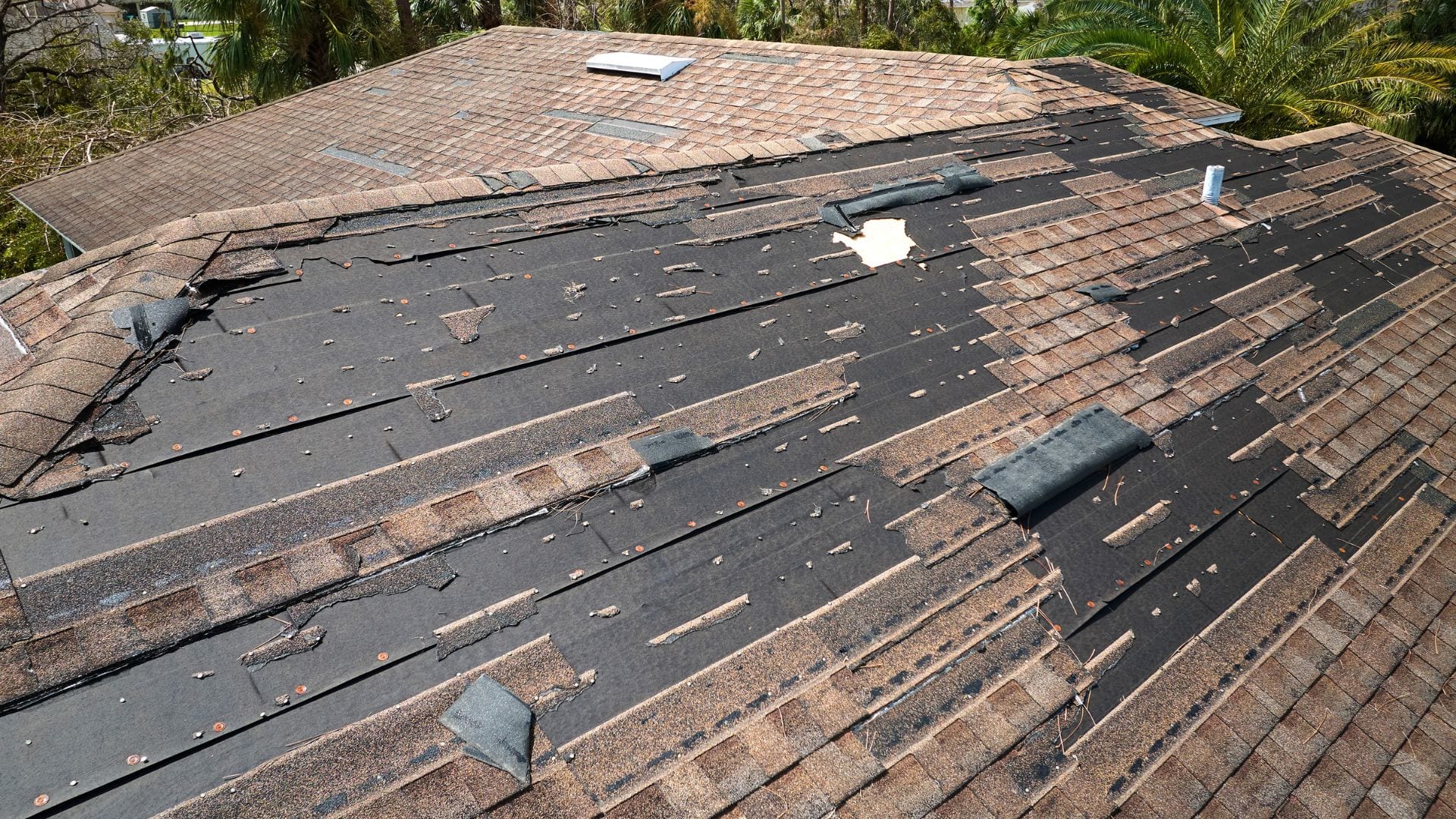
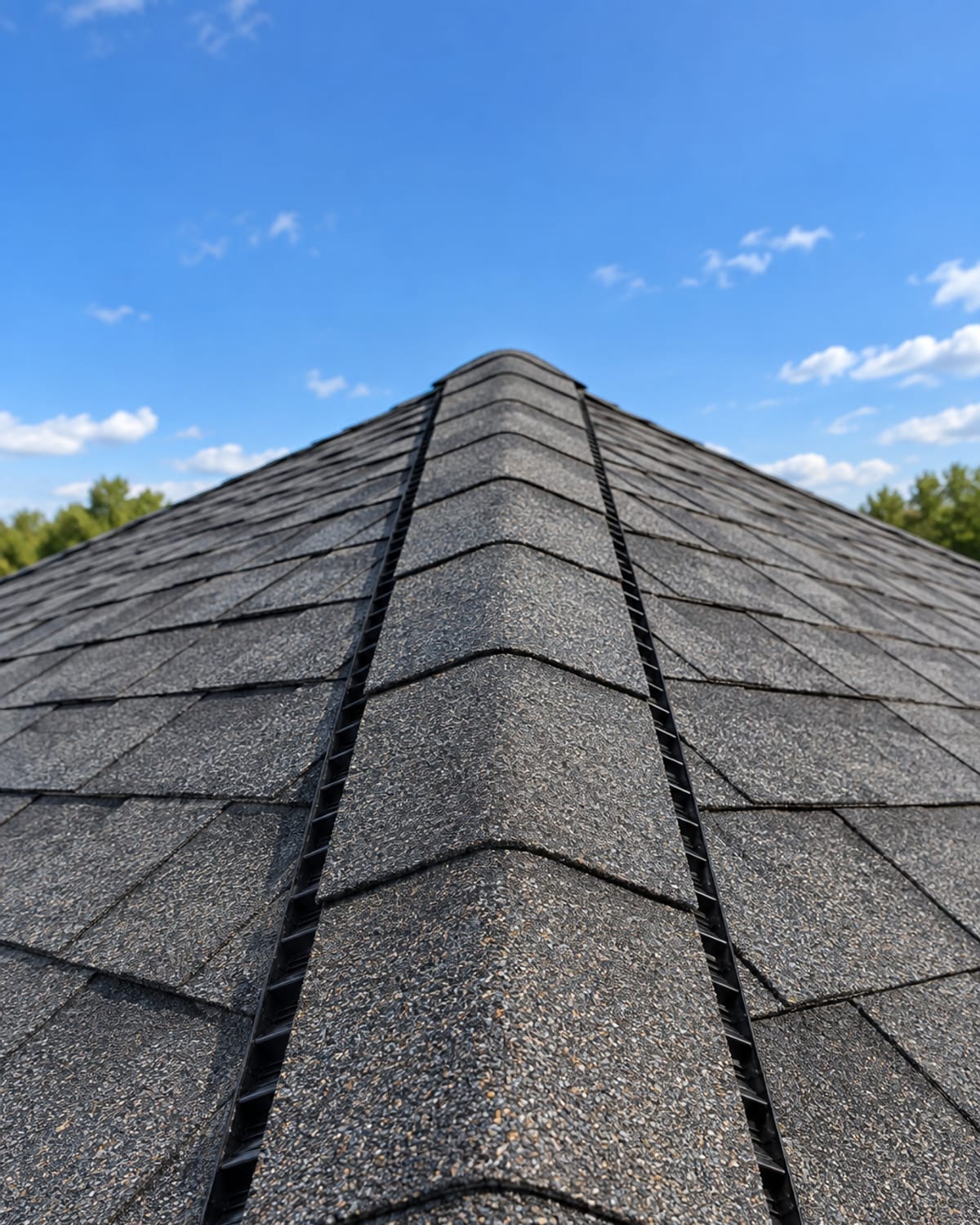
Before · During · After
Hurricane Roof Prep in Myrtle Beach, SC
The Grand Strand sits in an active hurricane corridor. What you do in June decides how the roof performs in September.
Do It in June
Getting Ahead of the Season Instead of Chasing It
Nearly everything that helps a roof survive a hurricane has to be done months before there's a storm on the map.
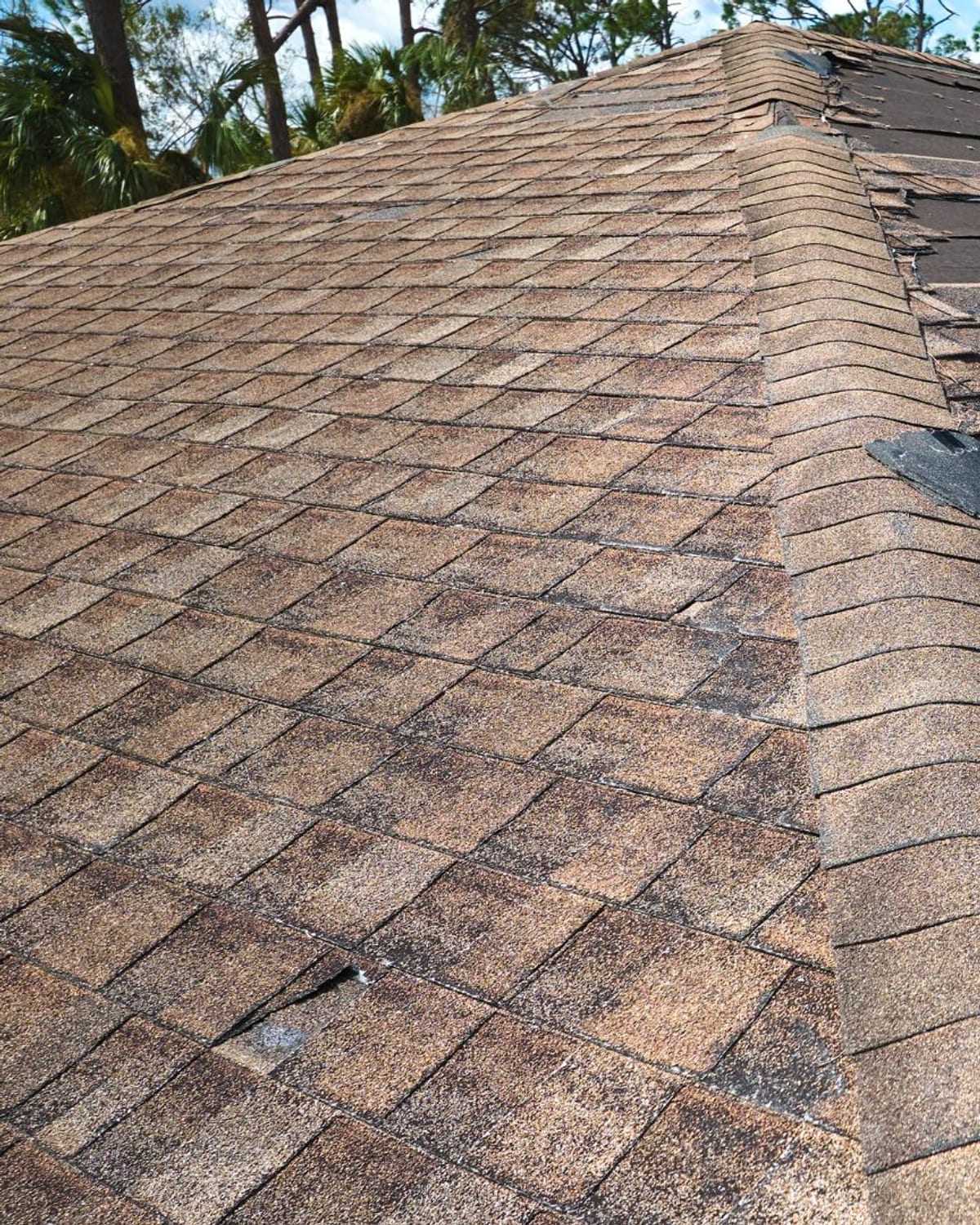
Roofs don't usually fail in a hurricane because the wind was extraordinary. They fail because something was already loose — a tab that lost its seal in a spring squall, a lifted ridge cap nobody noticed, a strip of rake metal working free at the gable. The storm just finds it, gets underneath, and unzips the roof from that point.
Which means hurricane preparation is mostly maintenance done on schedule. Get the roof inspected in late spring, fix the small things while they're small, clear the gutters and valleys, and know that the perimeter is properly fastened. That's the work. Everything else people do in the forty-eight hours before landfall is damage limitation.
Fix These First
What Gets Roofs Torn Off Around Here
Five weaknesses that turn a survivable storm into a replacement, all of them cheap to fix in advance.
-
Tabs That Already Lost Their Seal
A shingle that isn't stuck down is a flap, and wind only needs one to start.
-
Loose or Missing Ridge Caps
Caps sit in the highest-pressure zone and going early exposes the ridge line.
-
Lifting Rake or Drip Edge
Once the perimeter metal moves, wind gets under the field shingles behind it.
-
Overhanging Limbs
Saturated sandy soil plus wind brings down branches that look perfectly stable now.
-
Blocked Gutters and Valleys
Debris dams water during the rain that arrives with every named storm.
Season Timeline
What to Do and When to Do It
Four stages, spread across the season rather than crammed into one panicked afternoon.
-
Late Spring: Inspect
Free assessment, fix the small things, clear the valleys and gutters.
-
Early Season: Document
Photograph the roof and house so you have a dated before record.
-
Storm Watch: Secure
Clear the yard, check the gutters again, and stay off the roof entirely.
-
After: Assess Safely
Look from the ground, check the attic, photograph everything, then call.
Coastal Storm Facts
What the Grand Strand Actually Faces
Six things that shape how roofs are built and maintained in this hurricane corridor.
130 MPH Design Wind Speed
Coastal Horry County's building code is written around that number for a reason.
Uplift Peaks at the Edges
Corners and eaves take the highest pressure, which is where failures start.
The Rain Behind the Wind
Once a seal breaks, wind-driven rain goes straight under the shingle course.
Fastening Is Inspected
The county checks nail count and spacing after a reroof precisely for this.
Everyone Is Busy Afterward
Post-storm demand on this coast means waits. June work avoids September queues.
Mitigation Duty Applies
Policies generally require you to prevent further damage once you know about it.
Storm Season FAQs
Preparing a Roof for Hurricane Season
Late spring, before the season opens. Anything you find in May is a scheduled repair at a normal price; the same thing found in September is an emergency at emergency rates, if anybody is even available. June is the deadline, not the starting point.
Before June
Is Your Roof Ready for This Season?
A free spring inspection catches the loose tabs and lifted caps that storms turn into replacements.
Season Prep
Book a Pre-Season Roof Check
Tell us if anything came loose in the last storm — that's the first place we'll look.
Hours of Operation
- Monday 9:00 AM – 8:00 PM
- Tuesday 9:00 AM – 8:00 PM
- Wednesday 9:00 AM – 8:00 PM
- Thursday 9:00 AM – 8:00 PM
- Friday 9:00 AM – 8:00 PM
- Saturday 9:00 AM – 8:00 PM
- Sunday 9:00 AM – 8:00 PM
Request a Free Quote
Tell us what's going on — we'll reply fast during business hours.